
Latest “Sense and Sensibility” film adaptation loses classic Austen charm
October 29, 2026 at 1:05 am
*Review contains some spoilers for both Jane Austen’s novel and the film
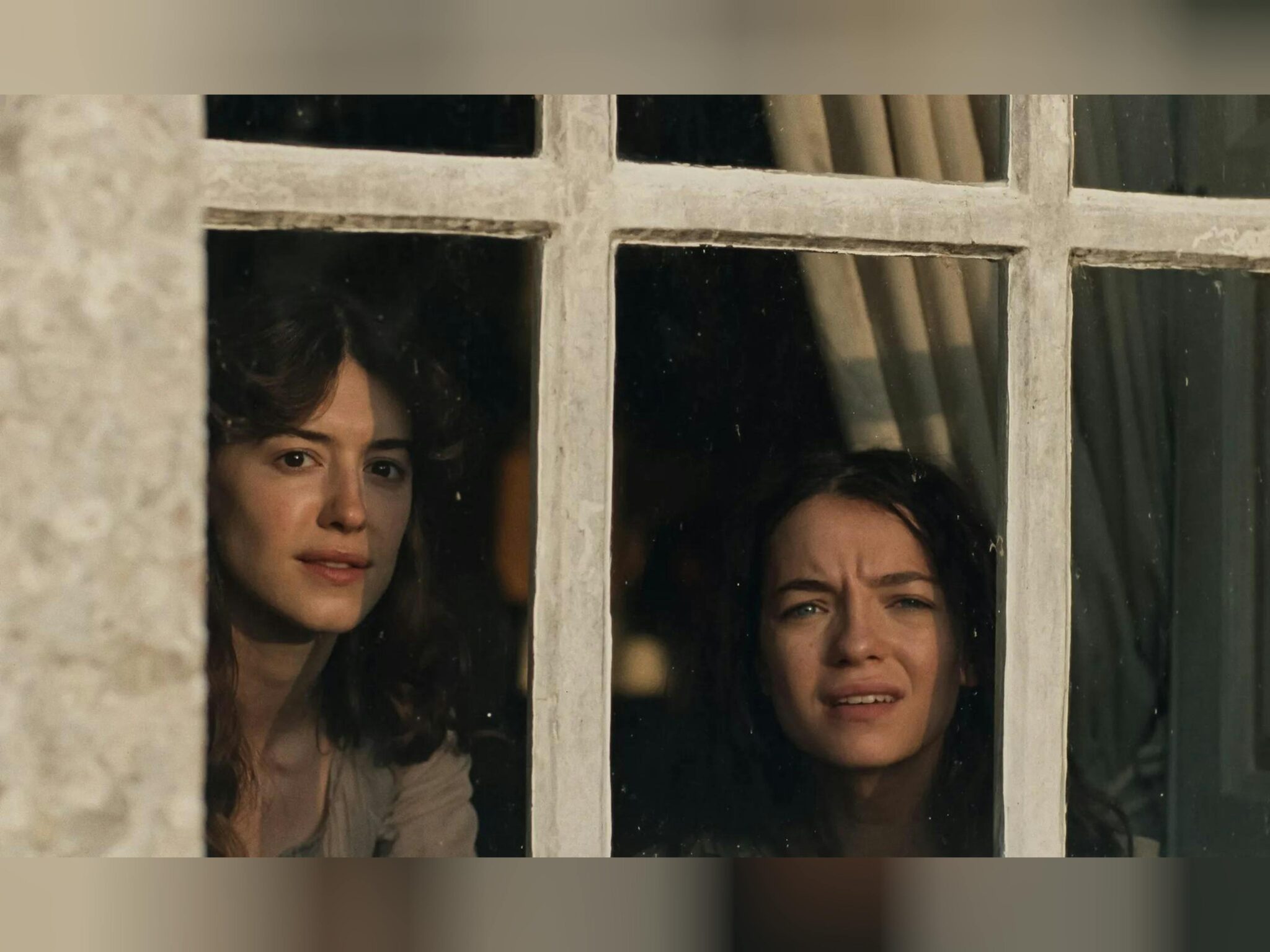
Georgia Oakley’s next-generation adaptation of “Sense and Sensibility” is flat and devoid of warmth, despite being a more naturalistic or realist portrayal of Jane Austen’s classic novel. While pointedly not trying to be an accurate adaptation or a remake of Ang Lee’s 1995 adaptation, the new film — released earlier this month — ends up losing the charm of classic Austen in the process.
In Austen’s 1811 novel, after being cast out of their family home when their stepbrother inherits their father’s estate, two sisters with opposing temperaments learn and encounter matters of the heart. Elinor Dashwood (Daisy Edgar-Jones) takes the part of sense — rational, but conceals her true affection for Edward Ferrars (George MacKay) — and Marianne Dashwood (Esmé Creed-Miles), who embodies sensibility, is more passionate and emotionally driven.
As an adaptation, the 2026 film presents itself as the dichotomy of its predecessor, the 1995 version starring Emma Thompson, much like how Joe Wright’s “Pride and Prejudice” (2005) positioned itself against Simon Langton’s 1995 television series.
Oakley made some obvious homages to Wright’s 2005 film, one in which Edward appears like a Romanticism figure on some rocks when Elinor rushes to confess her feelings, a version of the Mr. Darcy dawn confession. The film is also earthy, focusing on a natural atmospheric effect, with a reverence for the outdoors and naturally set scenes, but ends up being too quiet and muted at strange moments. In the deliberate decision to focus on realism and natural colors, the desaturated and bleak result is dour and rather depressing, especially combined with the dark lighting throughout the film.
There were other strange choices, particularly in modernization, that were jarring, including a bizarre, touchy, almost freestyle dance scene, and an almost horror-like score in a scene in which Marianne is lost in the woods at the Palmers’.
Creed-Miles’s portrayal of Marianne was also more of a Cathy Earnshaw, essentially more Emily Brontë than Austen. Her Marianne is wilder, more untamed and in combination with a dark, almost moorish landscape, it was as if she was in the wrong adaptation.
In terms of dichotomy, Oakley’s adaptation focuses heavily on the relationship between the Dashwood sisters and less on the typical Austen marriage plot — it notably ends with a built-up confession, not a marriage scene. The film ends on a high note, but future resolutions are implied. Marianne does not end up with Colonel Brandon (Herbert Nordrum) onscreen, but her feelings for him have visibly changed.
The development and backing of Elinor and Edward’s relationship were significantly revised in the new film. Unlike other adaptations where Edward is absent but often mentioned, the film adds additional scenes, including a confession in London’s National Portrait Gallery, in which he deeply engages with Elinor. If the adaptation does anything “better” than one of its predecessors, it’s the revision and simplification of romantic entanglements and relationships for modern audiences.
In terms of plot, Oakley made small changes to simplify, which isn’t necessarily a bad thing; however, the novel’s depth and essence are lost in the process — only some classic Austen wit and humor is saved, and the film barely functions as a social commentary. Despite small differences and shifts to re-adapt Austen’s novel that somewhat paid off, the artistic direction and other strange decisions took most of the focus.
5/10
This article appeared in the Oct. 29 print edition of the Daily Nexus.