
The Met Gala in Review: Mirrors of the Met
June 5, 2026 at 3:04 pm
We are all mosaics of our culture, upbringing and experiences, and our interpretation of the Met Gala looks is a mirror image of that. The Met Gala, a fundraiser for The Metropolitan Museum of Art in New York City, took place on May 4. The theme of the event was “Costume Art” with a dress code of “Fashion is Art.” This ideology reflected a direct integration of historical and contemporary art works spanning over 5,000 years with The Metropolitan Museum of Art’s spring exhibition.
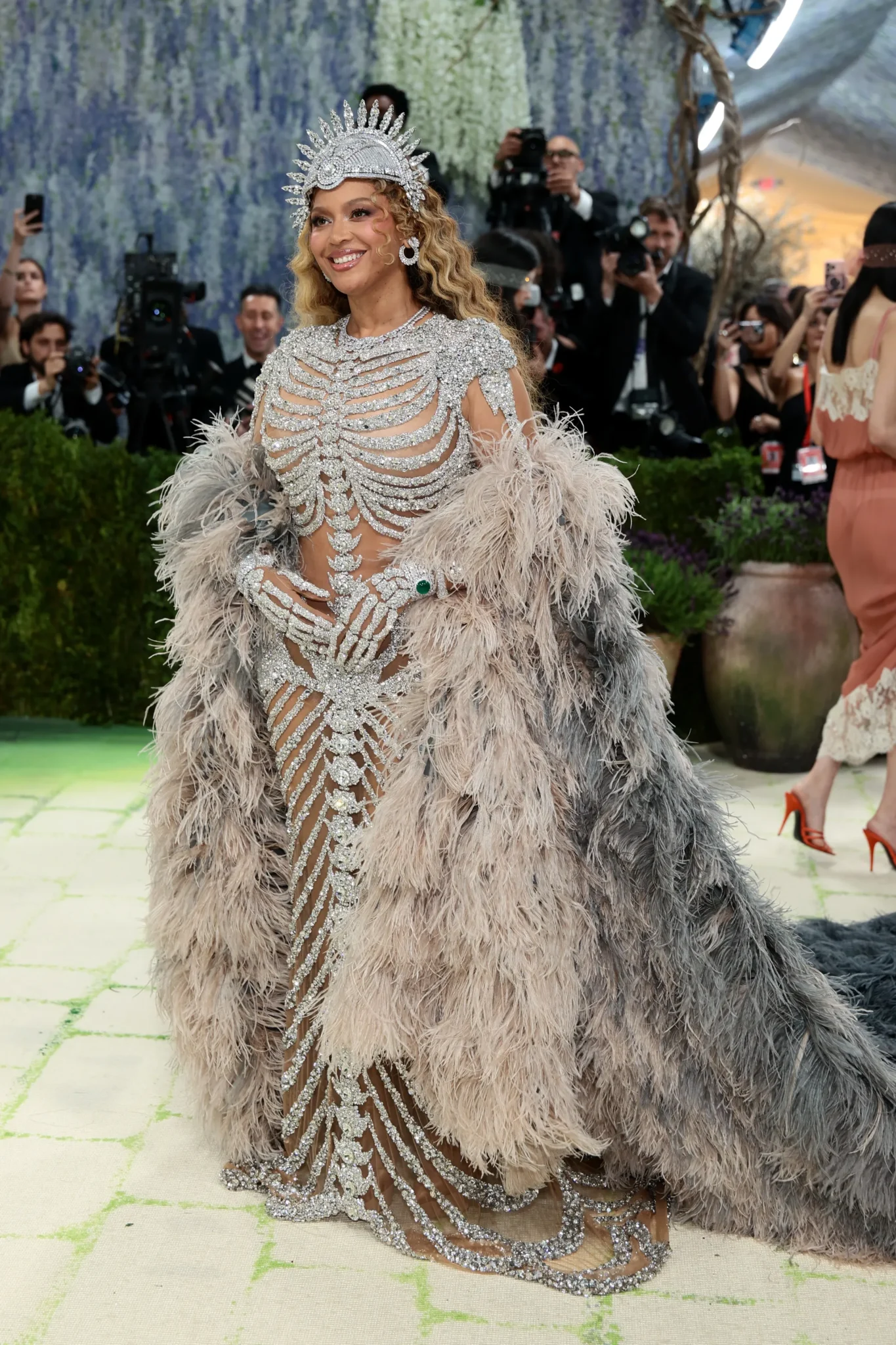
The Met Gala was founded in 1948 by Eleanor Lambert, an American fashion publicist, with the intention to raise funds for the Costume Institute at The Metropolitan Museum of Art. Typically, the attendees were New York socialites and fashion icons. Over the years, the Met Gala has evolved to an international event of historical art, with the influence of former Vogue editors in chief, Diana Vreeland and Anna Wintour. The event continues to evolve alongside shifting audiences and new mediums in the worlds of art and fashion.
There is an argument arising online which declares the Met Gala “dystopian,” and compares the event to films such as “The Hunger Games.” The critics aren’t wrong. There is an extremely notable and significant cultural gap between celebrities and the average citizen. Yet, events such as the Met Gala become a networking hub for new and upcoming artists and designers, and it globally connects these figures. It is one of the grandest events in the history of the fashion calendar, which is a particularly exclusive industry to begin with. The Gala extends beyond entertainment and functions as a catalyst for artistic recognition and expression.
The criticism and fascination around the Met Gala can coexist, and in fact, it should. Art is a product of critics and an exploration of curiosity. Whether that means blending boundaries or stepping outside of a box, it’s a recyclable process of refined thought into something bigger than oneself. The event doesn’t disguise its extravagance nor the segregation that it breeds. The celebrities are on the carpet while the “others” are behind the stark red cord. With the additional component of online audiences, it can seem to feel even more detached. Yet, the event serves as a platform to showcase the progression of art taking place behind the scenes, with countless creatives such as stylists, makeup artists, photographers, archivists and designers. It’s a similar idea to museums, where the art is hanging on the wall, yet the artist is nowhere to be seen. This is not intended to discredit the artist, but simply allow the piece to stand on its own.
This year, the designers outdid themselves. Each piece felt intentional, whether it told a story, portrayed a message or embodied emotion. A few looks that drew the attention of the public and left them in awe were worn by Emma Chamberlain, Doechii and Sabrina Carpenter.
I grew up watching Chamberlain’s YouTube videos and I have first handedly witnessed her iconic style evolve throughout the years. From the Gen-Z “VSCO girl” persona to her shift toward red-carpet high fashion, Chamberlain has been at the forefront of fashion forecasting.
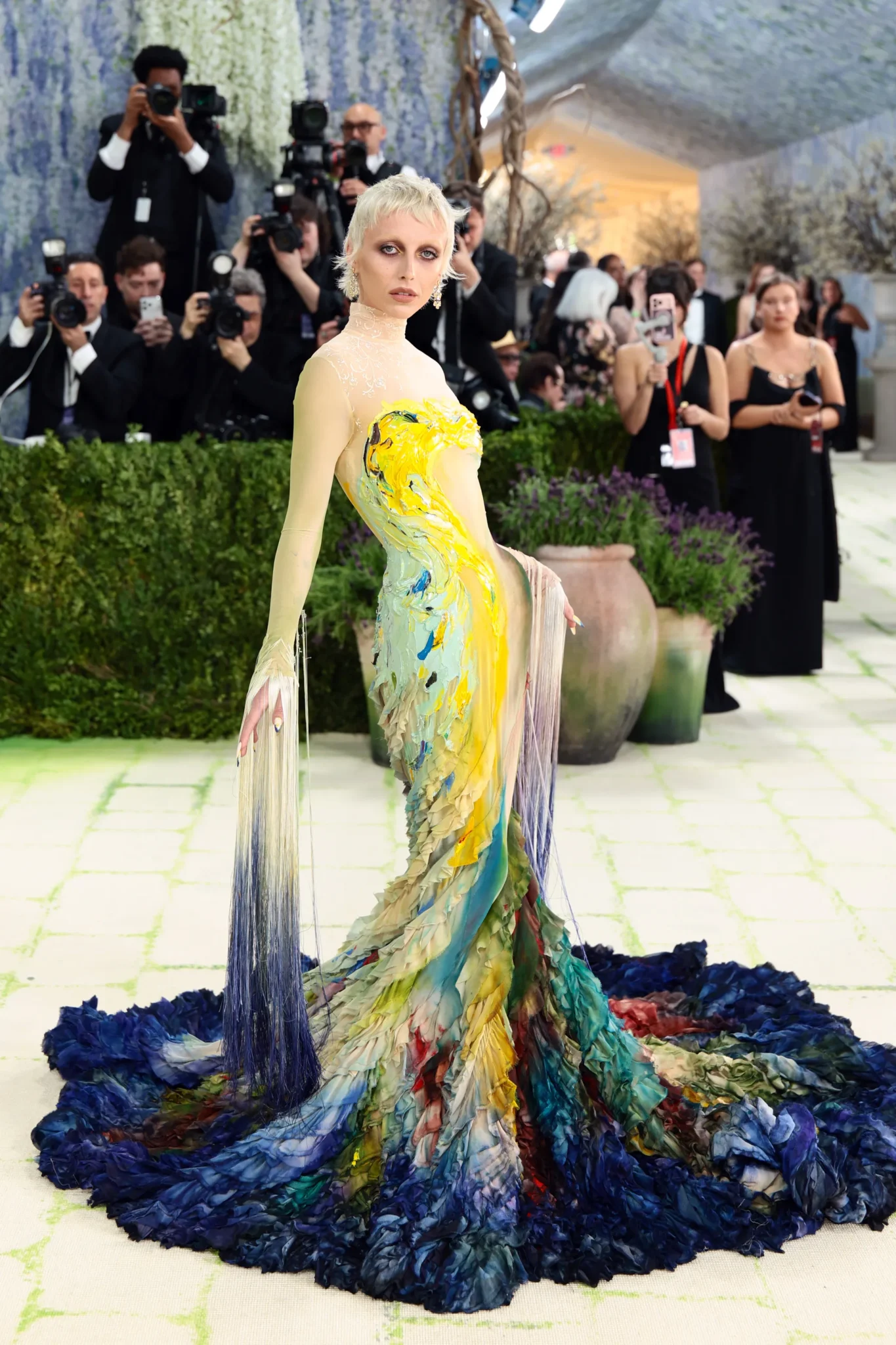
For the Met Gala, Chamberlain wore a custom Mugler gown, designed by Miguel Castro Freitas. The garment is a collaged palette of 30 colors and extended through custom mixing. It took approximately 40 hours to paint by artist, Anna Deller-Yee, and featured 880 cascading ruffles and a nine-meter train. By specifically using an organza textured fabric, the dress captured a fluid and sculptural look, aligning seamlessly with the theme. Additionally, primary colors such as yellow, blue and red were the most notable hues of this piece, which captured traditional fine art materials. This dress achieved a look of a draped canvas among the backdrop of her body.
At the 67th Annual Grammy Awards in 2025, Doechii won Best Rap Album, making her only the third woman in history to claim the award. This year, Doechii attended the 2026 Met Gala in a dramatic burgundy dress custom-designed by Marc Jacobs with a cut-out bodice that draped behind her neck and right shoulder, connecting to her left hip.
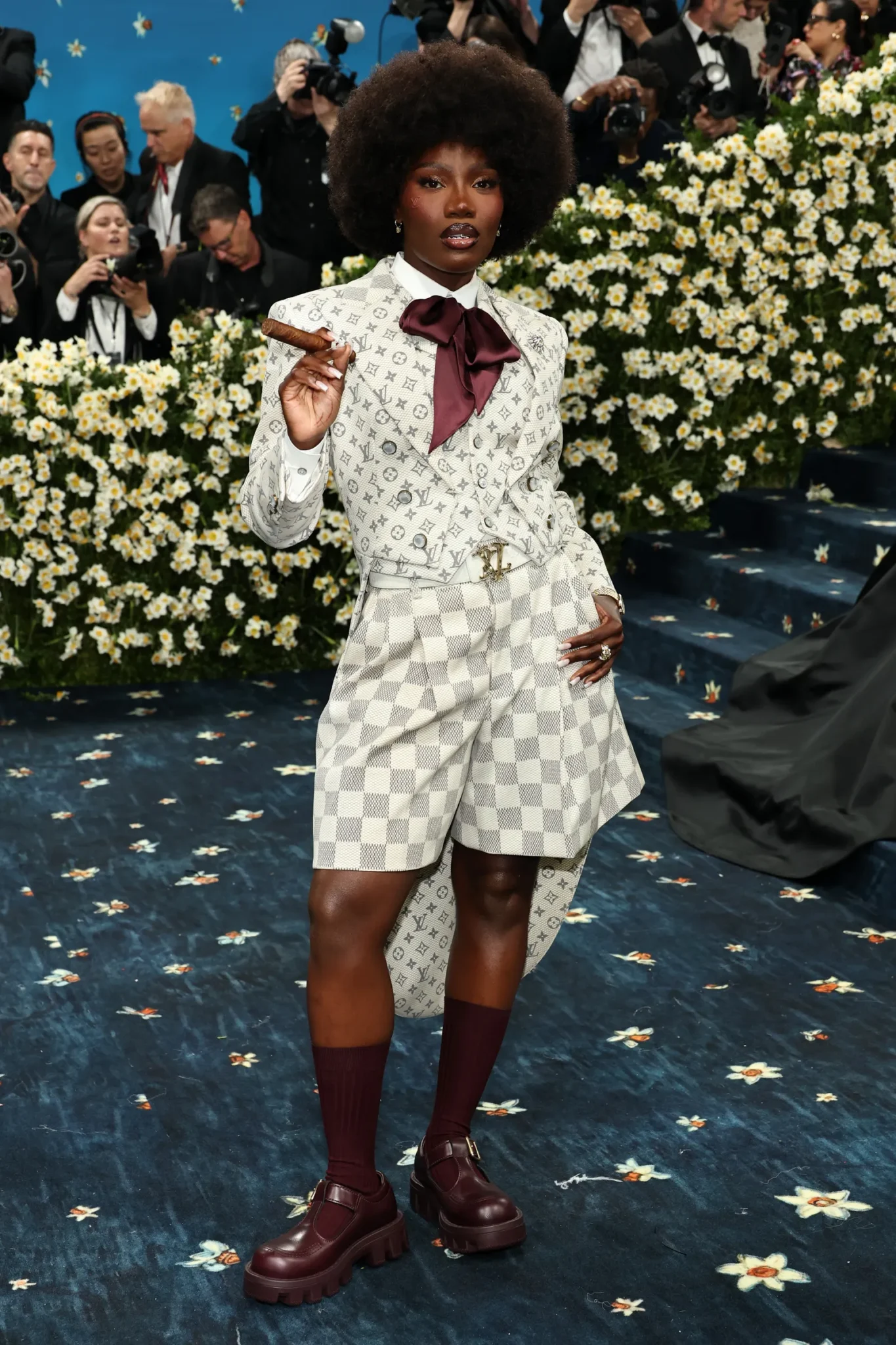
The piece dually functioned as a sleeve and cape that Doechii held in her hand. All the while, she was completely barefoot on the carpet, which challenged her to be “comfortable” and “feminine.” This isn’t Doechii’s first barefoot appearance, as her first outing was at Paris Fashion Week with a bohemian flowing dress and fur stole. To add to her Met look, she accessorized with her towering headpiece that wrapped the same burgundy textures and tones, serving as the focus of her look. But perhaps the most intimate detail were the detailed henna designs along her feet and hands that replaced the practicality of heels, yet added style and meaning.
After two weekends of headlining Coachella, Carpenter made history at the 2026 Met Gala. The designers did a phenomenal job synthesizing her pop culture persona and themes of art history, while also experimenting with unconventional artistic techniques. Carpenter wore a custom Dior gown by Jonathan Anderson, who pulled inspiration from Audrey Hepburn’s classic 1954 film “Sabrina” by draping rhinestone strips of vintage camera film from the movie.
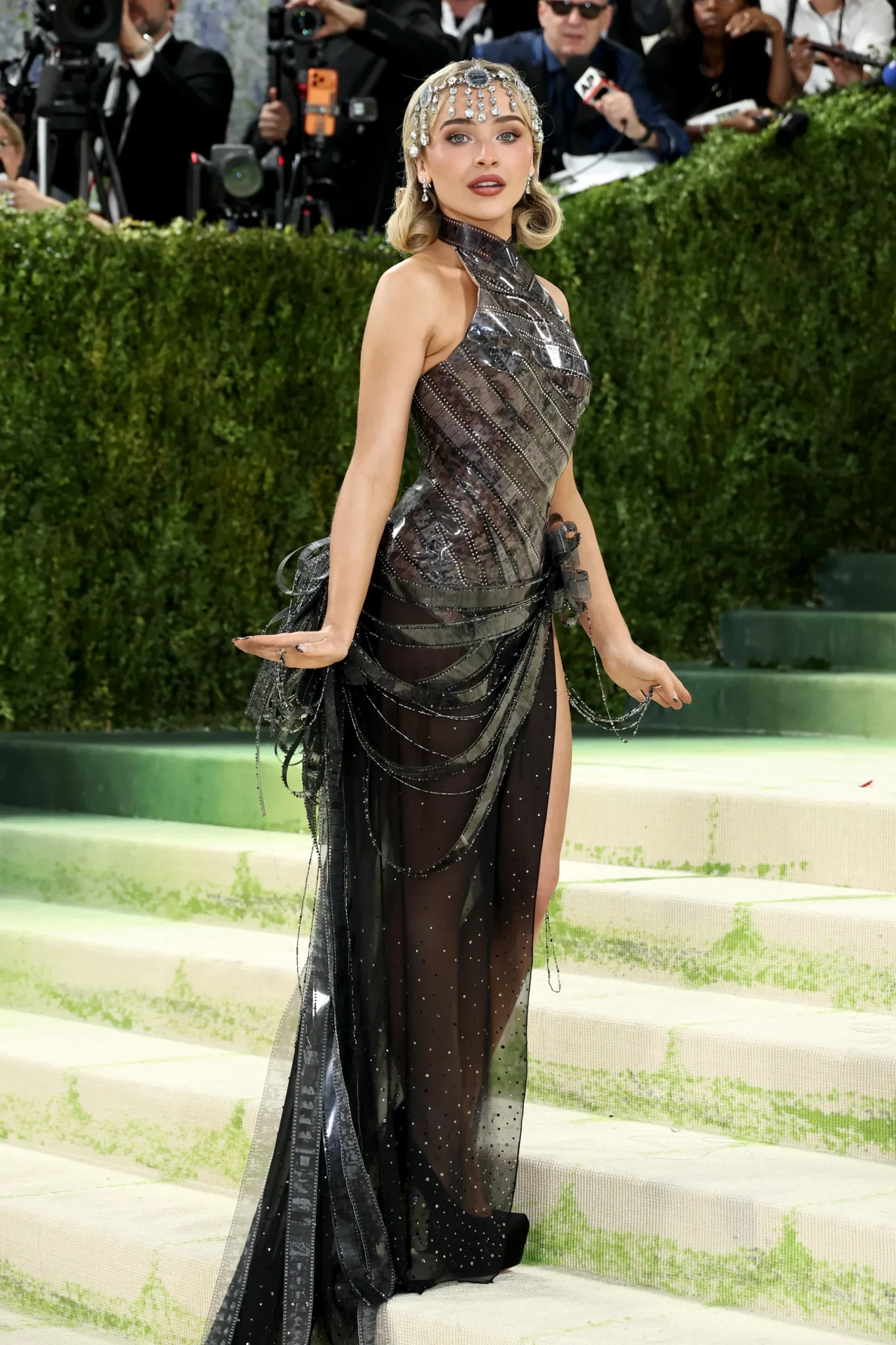
The gown was a halter dress with a slit along her left leg and fitted to her silhouette. To add, Carpenter’s hairstyle was a faux bob with her signature Old Hollywood curls adorned with a bejeweled headpiece. Her detail-oriented appearance intricately intersected themes of feminism, classic Hollywood elegance and cinematic imagery that perfectly interpreted the dress code.
This year, the theme did not disappoint and neither did the attendees’ artistic teams. Although the critics may disagree, the Met Gala is a living piece of art history that we must keep alive. Just as Eleanor Lambert envisioned in 1948, the Gala elevates the art of fashion into the global light. Each look speaks to more than just a fashion choice, but to a collective story of human expression.
I thoroughly enjoyed this review of the Met Gala’s artistic expressions, as reshaping dramatic landscapes relies on heavy machinery like adelaide earthmoving equipment provides.