
The world’s most expensive spice
October 22, 2026 at 9:00 am
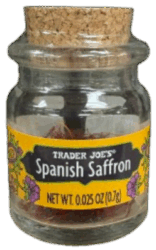
If I were the gambling type, I would bet money you have heard of saffron: the spice more expensive than gold. While this isn’t true, saffron is in fact the most expensive spice in the world and has been nicknamed “red gold” for a reason. This aromatic can cost anywhere between $600 and $1000 for one pound, depending on quality, color intensity, moisture levels and post harvesting handling. Don’t worry though, Trader Joe’s sells 0.025 oz jars of Spanish saffron for about $6, if you ever find yourself needing some.
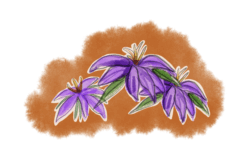
Saffron is harvested from Crocus sativus and the cultivation process is extremely meticulous; the stigmas from the plant need to be harvested a few weeks after the flower blooms and must be picked at midmorning when the flower is fully open to the sun. Each flower contains only three strands of this highly demanded spice; it can take between 70,000 and 200,000 flowers to produce just one kilogram of saffron. It’s mainly grown in Iran, Afghanistan, India and Spain; other countries have tried to grow it as well because of its value, yet Iran still produces 90% of the world’s saffron.
While its origins are debated, it’s generally agreed that it was first domesticated in Greece and has been cultivated for more than 4,000 years now. It holds value beyond monetary as it’s been referenced in mythology all over the world. In Ancient Greece, Hermes, god of travelers, used saffron to heal his injuries and Aphrodite, goddess of beauty, used it to enhance her looks. In Hinduism, saffron is associated with Lord Vishnu and symbolizes purity and courage. It’s even used in religious ceremonies and rituals. According to ancient Persian mythology, saffron was created by the tears of Kaveh, an epic hero, when leading a revolt against an evil king and was also used by goddess Anahita to heal the sick and wounded. Ancient Egyptians believed saffron had healing powers, while also using it for beauty products.

Many of these myths have one thing in common: Saffron has medicinal properties. Maybe our ancestors were on to something, leading me to read a long article by the Center for Disease Control and Prevention(CDC) (side note: I learned saffron was used by midwives during the Middle Ages during childbirth) that goes through the effects of saffron on different conditions. To summarize my readings, saffron has antioxidant and anti-inflammatory properties which have been observed to protect against chronic diseases. This is not to say consuming extreme amounts of saffron will make you immortal, however, another CDC article references researcher Marzieh Agha-Hosseini’s findings that using 30mg/day was effective in relieving symptoms related to premenstrual syndrome, among other benefits.
While saffron may have medicinal uses, it’s most important use, in my opinion, is in cooking. It’s one of those tastes that can’t be described; if you know, you know. Like most dry herbs, saffron needs to be bloomed using heat and some kind of fat or moisture. This is generally done by steeping the strands in warm (emphasis on warm) water or milk, depending on the dish, which concentrates the flavor and allows it to be evenly distributed across your dish! This also helps the saffron release its iconic rich, golden color. While its uses are, of course, unlimited, saffron generally goes best with rice dishes like tahdig, a Persian crispy rice dish, risotto or, you guessed it, biryani.
The next time you want to really elevate a dish, really take it to the next level, try adding just a pinch of saffron and treat yourself.