
Opinion: Why do we care about Punch the monkey?
March 31, 2026 at 3:36 pm
The last time I heard about a viral animal, it was September 2024 when the adorable baby hippo Moo Deng was seen everywhere. TikTok, Instagram, SNL, even my high school senior yearbook, courtesy of yours truly. Now, the cycle seems to be repeating itself with a baby macaque monkey called Punch-kun, or Punch for short, from Ichikawa City Zoological and Botanical Gardens in Japan. The internet is largely heartbroken over Punch’s mother abandoning him and his subsequent attachment to an orangutan stuffed toy, sparking his rise to internet fame.
Cute animal videos have been widely considered the backbone of the internet, with consistent viewers of every age group and education level. Punch is no exception to this. So why has the internet been taken by storm by this one monkey?
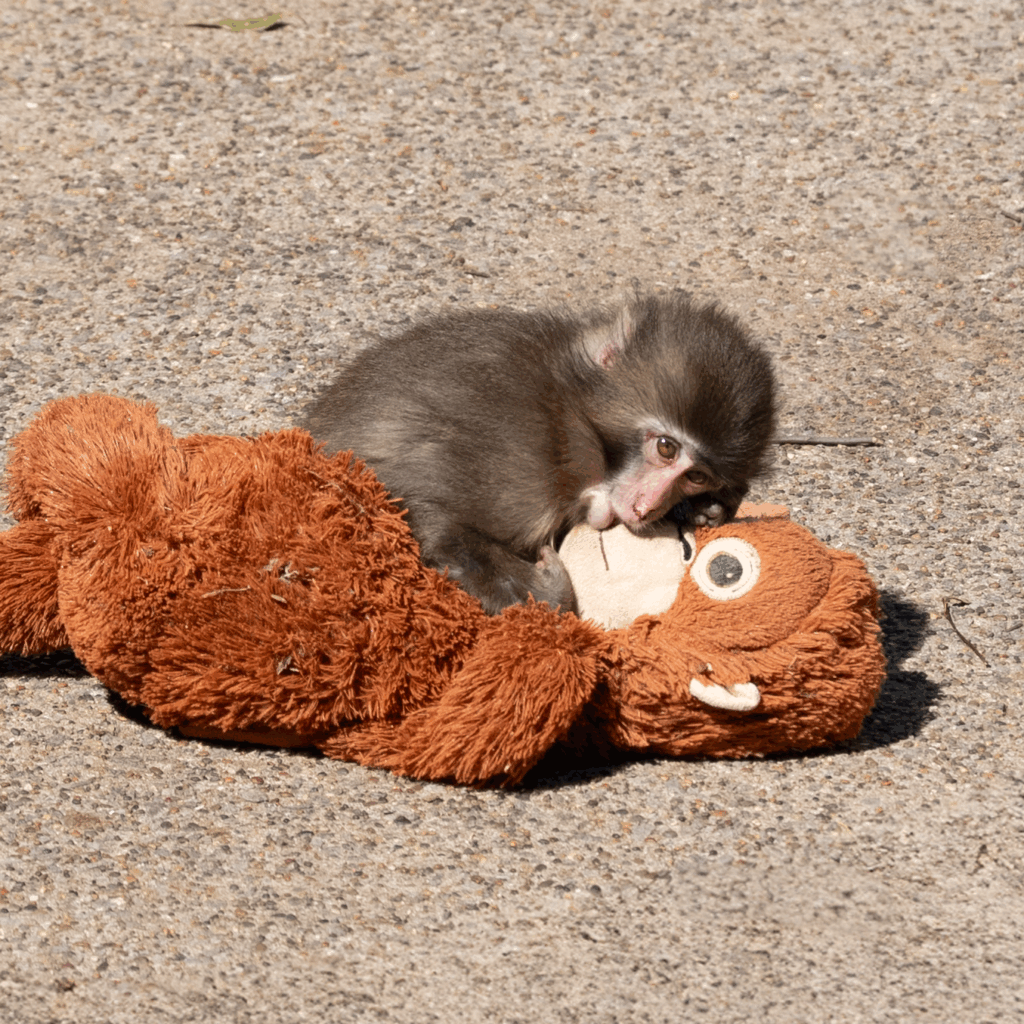
A viral video on Feb. 19 showed Punch being dragged around by an older monkey after attempting to socialize with another juvenile in the habitat. Punch then ran to and embraced his orangutan toy, which he treats as a stand-in mother. Though zookeepers from Ichikawa City Zoological and Botanical Gardens released a statement that the scolding Punch faced was not abnormal, and that he “acted no differently than on any other day” during the viral video, the internet still felt for him.
Many people related to Punch’s story of abandonment and rejection, making his story hit that much harder. Punch became a perfect projection of many of our own childhood experiences, and he was certainly an easy underdog to root for. As he wanders about his enclosure standing about the same size as the toy he finds comfort in, Punch is undeniably cute. Joshua Paul Dale, a researcher of “Cute Studies” and author of “Irresistible: How Cuteness Wired our Brains and Conquered the World” explains that cute things trigger the orbitofrontal cortex, which integrates these emotional signals into behavioral and emotional changes, making individuals more caregiving and less aggressive while also activating networks causing feelings of empathy and compassion.
However, the empathy and compassion for Punch has become almost obsessive, just as it grew with Moo Deng. Takashi Yasunaga, leader of the Ichikawa municipal government’s zoo and botanical gardens division, explained that the zoo received around 8,000 visitors during a February weekend, which was more than double the number of visitors on the same weekend in previous years. Though substantial actions have been taken to not stress Punch and the other monkeys out as much, such as limiting viewing time and banning selfie sticks, the sheer number of visitors is alarming to animal rights activists.
People for the Ethical Treatment of Animals (PETA) are especially concerned with the aftermath of internet fame on the wellbeing of viral animals like Punch and Moo Deng. PETA argues that zoos often exploit baby animals for ticket sales without considering the effects on the animals themselves. The stress that a “constant barrage” of visitors would cause can be detrimental to Punch and could even interfere with his integration into the group of monkeys, the very topic that caused his virality.
Just like for humans, internet fame seems to be a double-edged sword for Punch the monkey. While his newfound support and countless fans across the globe is certainly heartwarming, we must consider the possible negative effects of our support.
If you truly care about Punch and want him to succeed in making friends, perhaps consider not visiting him and potentially contributing to ruining his chances of socialization with the other monkeys. Instead provide your support from a distance. Punch, Moo Deng and the countless other viral animals over the years certainly deserve better than being bombarded by their fans.
Insightful and rational viewpoint, genuine love for animals means silent protection rather than blind crowding. ama citation generator
Interesting perspective. It’s funny how small, weird internet games and trends can stick in people’s memories for years. Sometimes they become less about the actual game and more about nostalgia, shared experiences, and the culture around growing up online.
snow rider
That Moo Deng mania was truly unforgettable, and Punch-kun’s story with his little stuffed orangutan is honestly breaking and mending my heart at the exact same time. We naturally project so much empathy onto these viral moments, which really shows how deeply people care about animal welfare and comfort. If seeing his story leaves you wanting the absolute best care for the pets in your own life, checking out places like Modern Vet Clinics Dubai https://modernvet.com/ is a great step to ensure your companions get that same level of love and top-tier attention. It’s wild how one tiny monkey can… Read more »