Courtesy of Variety
Between Beirut, Cairo and Montreal, wedding traditions can be almost unrecognizable. Yet with near cross-cultural certainty, nobody’s perfect day includes emergency dental surgery, IBS, missing rings or a missing groom (much less all of the above). Through a kaleidoscopic timeline, Philippe Falardeau’s “Lovely Day” documents the unraveling of a happily-ever-after that can’t be over quickly enough.
Although the French-Canadian feature film is propelled by one wedding night’s worth of drama, Virginie and Alain’s marriage is not Falardeau’s focal point. The narrative passes on traditional wedding romance to trace 28-year-old Alain’s life over two decades of zigzagging memories.
30 minutes before the wedding, Alain rides shotgun in his cousin Dodi’s car, swallowing a Xanax and washing it down with handfuls of greasy fries. 19 years earlier, Alain’s Lebanese-Egyptian parents scream at each other through a thin bathroom wall while he suffers from the early symptoms of a disease he finds mysterious and shameful. At 17 years old he falls in love, makes himself sick trying to hide it and self-medicates with opioids from his bedside table — six hours before the ceremony, he tosses and turns as morning light creeps across his bedroom wall.
Falardeau’s disorienting alternation across time captures Alain’s severe anxiety and the psychological toll his illness exerts on his relationships. He’s convinced his parents perceive him as delicate and grows increasingly paranoid as the night progresses. Alain’s parents, however, are haunted by ghosts of their own: A divorced immigrant couple divided by their clashing desires to maintain tradition versus assimilate in Quebec, by Yolande’s boisterousness and Elias’ perpetual shame. Their unstable relationship dominates Alain’s memory and seeps into his heavily-medicated perception of his wedding day.
Despite possibly depicting the most accursed wedding the City of Saints has ever seen, the film is brimming with hope. The narrative’s lack of focus on the relationship between bride and groom actually validates their romance. Alain conceals none of himself from Virginie; in fact, her support, self-possession and independence the night of their wedding offers a chance to look within himself with more honesty than ever, and leaves viewers craving a deeper exploration of her character.
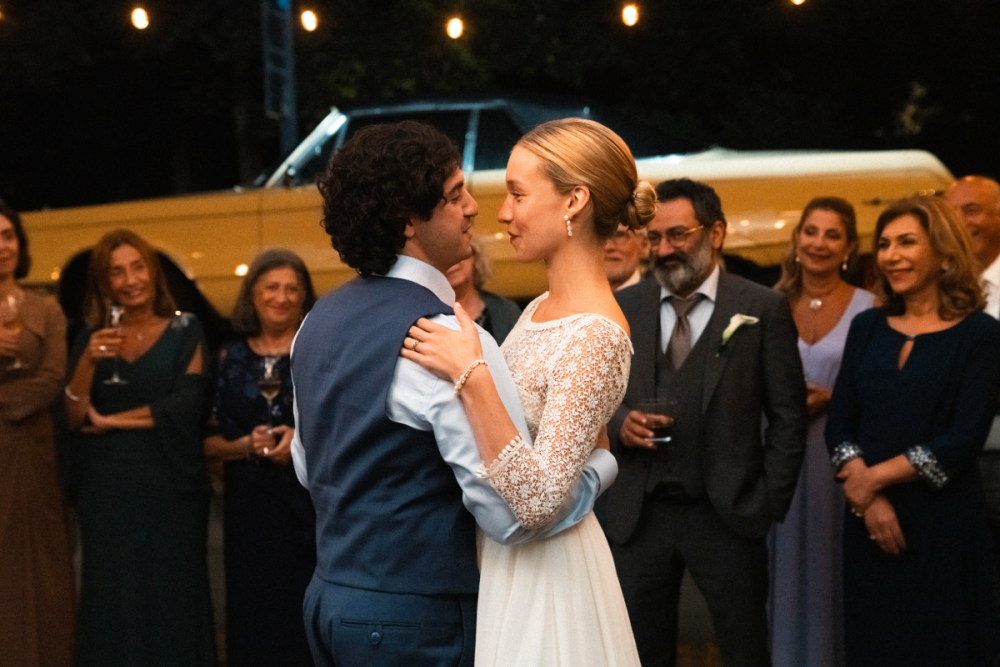
During the wedding, cringeworthy moments cascade so rhythmically that romance itself feels disruptive. But between heavy emotional flashbacks, the wedding party’s quirky ensemble sustains a current of humor that anchors both Alain and the audience in the present. Yolande seizes a lull during the wedding as an opportunity to serenade a captive crowd of attendees. A member of the bridal party unsubtly projects her own wedding fantasies. Virginie’s father inquires about grandchildren.
The reception guests also offer moments of reflection. The groom is haunted by a warning from his own father, “Be discreet about your vulnerabilities.” His childhood dentist takes great pride in his crown reconstruction, but none in his Egyptian heritage: “I fled certain realities, only to find they pursue me here.” Dodi — Alain’s cousin and lifelong best friend, who steals every scene with humor and wisdom — offers, “A wedding is a chance to have fun, but it’s also a chance to make peace with the past.”
Alain’s past, despite his all-consuming efforts to resist it, is not the true threat to his peace. The real antagonist to his perfect day is captured in the film’s French title: “Mille Secrets, Mille Dangers,” or “Countless Secrets, countless Dangers.” 19 years of unnecessary secrecy haunt Alain on the night of his wedding — memory isn’t destructive, but shame certainly is.