
‘The Drama’ was so close to being truly great
May 9, 2026 at 12:33 pm
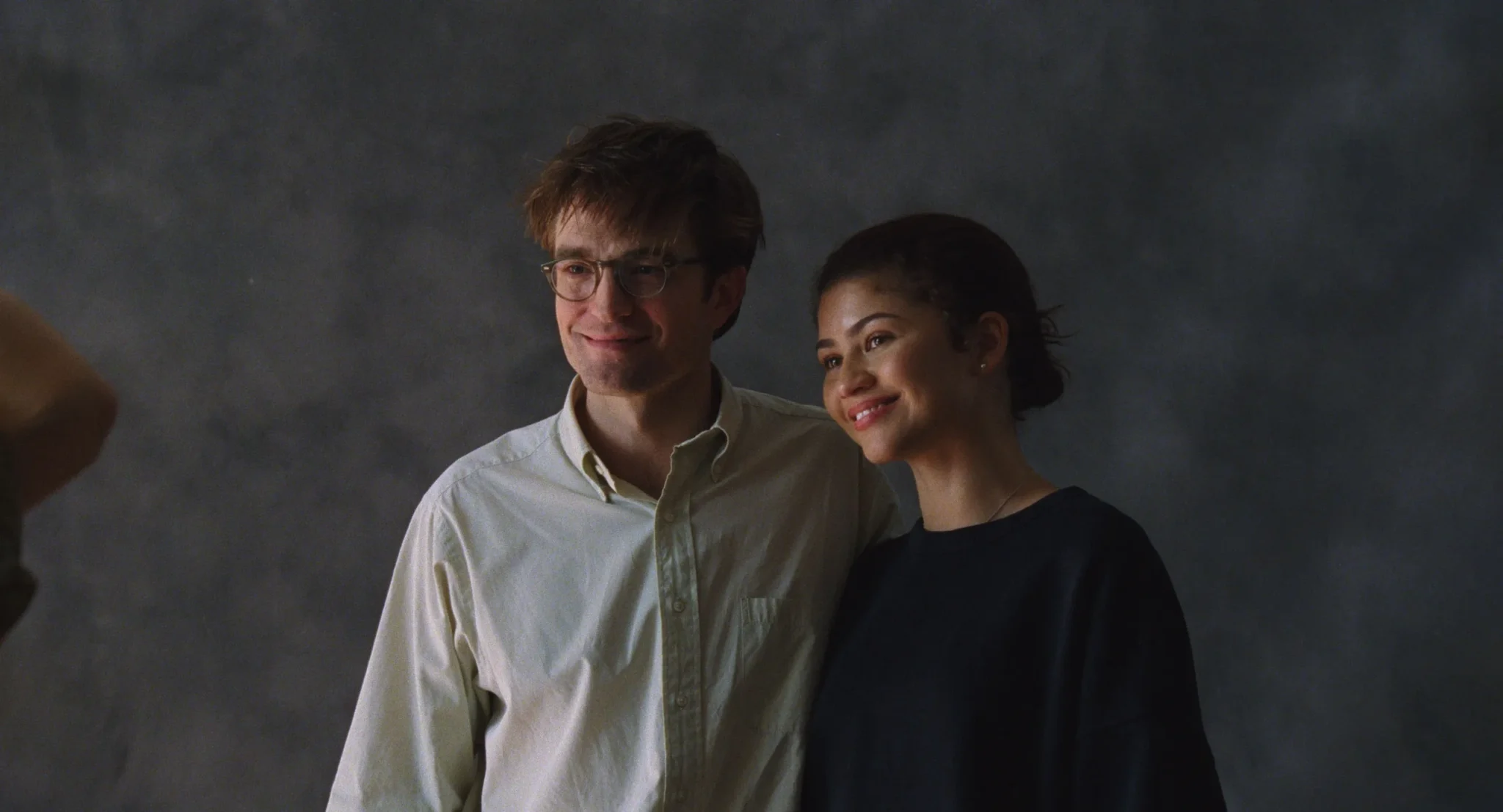
A24’s most recent film, “The Drama,” written and directed by Norwegian filmmaker Kristoffer Borgli, has sparked divisive discourse among movie watchers. While some found the film an offensive failure, others found it a thought-provoking masterpiece. Two things can be true at once.
“The Drama” follows a couple, Emma (Zendaya) and Charlie (Robert Pattinson), a week before their wedding day. What starts as a blissful and exciting week turns into a nightmare when Emma reveals new information about her past.
While tasting dishes to finalize their wedding menu, Emma and Charlie are joined by their friends Mike (Mamoudou Athie) and Rachel (Alana Haim). The conversation takes a turn when Rachel reveals that, before her own wedding, she and Mike shared the “worst thing” they had ever done as a way to start their marriage with a clean slate. After some convincing from Rachel, they all agree to share the worst thing they have ever done.
Mike, for example, used his ex-girlfriend as a human shield against an aggressive dog. Rachel locked her neighbor — implied to be a mentally disabled boy — in a closet inside an abandoned cabin in the woods and left him there without telling anyone. Charlie cyberbullied a kid who may or may not have moved out of town as a result. Emma planned a school shooting when she was a teenager but did not see it through.
Audiences, myself included, were thrown off-kilter by Emma’s answer, and understandably so. From the film’s promotional content, “The Drama” seemed like another run-of-the-mill romance movie. However, the film’s real subject matter is darker and heavier than anyone could have ever imagined.
The film relies on flashbacks that help us understand Emma and Charlie’s relationship before it unravels, as well as Emma’s character arc. The flashbacks are fast bursts of content, so quick that audiences do not have enough time to process the information thrown at them, much like the characters in the film.
The flashbacks to Emma’s childhood were where the comedy happened. The stark contrast between what was happening in the present day and Emma’s childhood, paired with the bluntness of young Emma’s words, was so unexpected that it elicited a laugh out of audiences. Yet, guilt crept up when viewers remembered the film’s true subject matter.
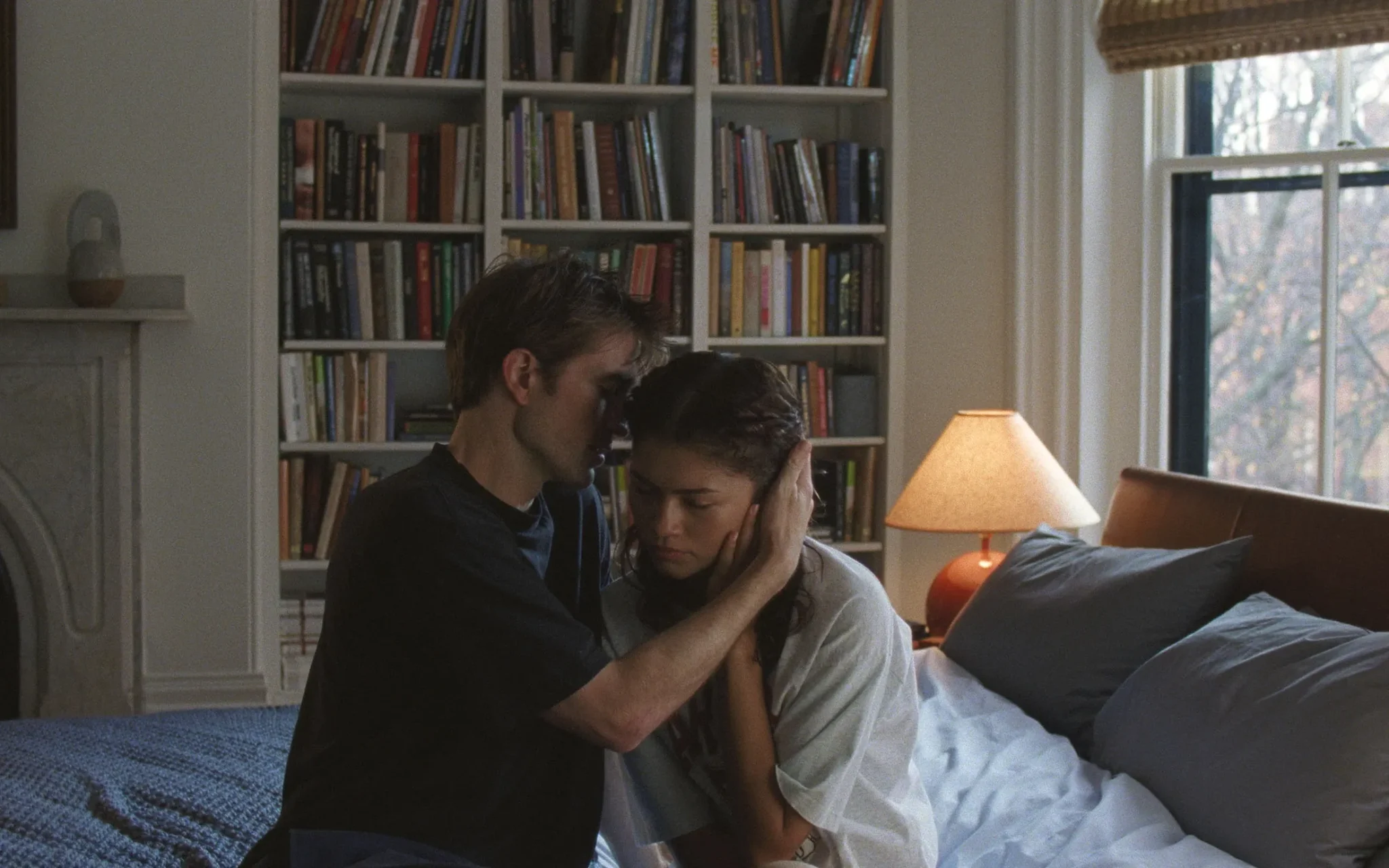
In the middle of the film, Charlie poses an important question: How many people have we come across who, like Emma, had those thoughts and planned but never executed? He remains adamant about understanding the why behind Emma’s violent thoughts. He even defends her by highlighting the distinction between thought and action. However, whether he defended Emma because he believed she was innocent or to preserve his own image is unclear. Yet, is the latter a bad reason?
Although Charlie contemplates much about Emma’s past, he devotes even more time to thinking about himself. I understand why: We are partly defined by our relationships. Yet, we are also defined by our actions and Emma did not take any action, but Charlie, Rachel and Mike did.
It is important to note that these violent thoughts of Emma’s were not only the result of mental health issues and bullying, but also American media and culture in which guns play a big part. She admits she liked the aesthetics associated with weapons — the power she could gain from them.
Additionally, to communicate how much guns permeate American media and culture, we see Charlie flipping through a book of models holding guns. The juxtaposition of the two subjects, the girl and the gun, is jarring. The feminine, beautiful, dainty model transforms into a masculine, scary, tough object holding the weapon. It raises a chilling question: What does it say about our world when power or agency is only given to someone through the barrel of a gun?
The film produces all of these questions but fails to deliver a final point. In some instances, ambiguity is a good thing, but in this one, ambiguity feels like a cop out. It felt like Kristoffer Borgli wanted to write a movie about the limits of love and empathy and used gun violence only as a shock factor. Instead of making a statement about gun violence, he completely discards it and focuses on the love story.
“The Drama” pulls us into a messy, whirlwind of a movie, but by refusing to take a real stand, it flirts with controversy rather than actually saying something meaningful.
7/10