The UC Santa Barbara Office of the Ombuds provides confidential consultation services to all campus community members on issues related to the University. The office can assist in a range of matters, including interpersonal conflicts, academic concerns, workplace issues and other campus-related concerns.
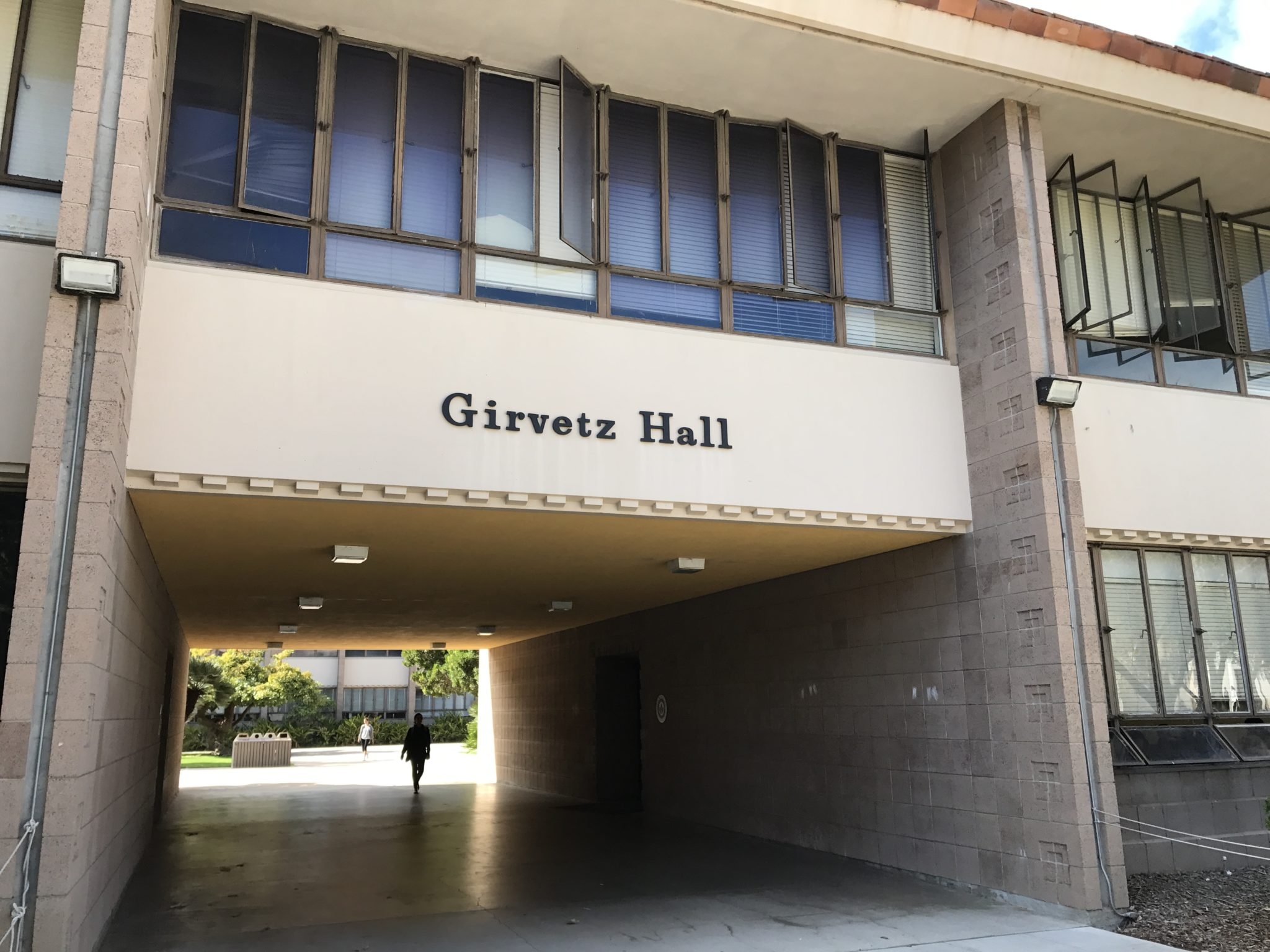
The Office of the Ombuds is located at Girvetz Hall. Nexus file photo
Located in Girvetz Hall, the office was established in 1970 and aims to maintain fairness for the university community by providing confidential and informal consultation for problems that students and faculty may encounter on campus.
The concept of an ombuds originated in Scandinavia during the early 18th century, when Charles XII of Sweden established the role of the High Ombudsman, someone who investigated issues relating to governance and ensured that civil servants were lawfully following their duties. Today, ombuds offices are present in a variety of systems, including university, health care and government settings.
Lana Smith-Hale is an assistant ombuds in the UCSB Office of the Ombuds and serves as the office’s undergraduate student contact. Her office is committed to providing conflict resolution and helping students navigate situations when they are unsure about where to turn.
Smith-Hale describes her office as a “confidential, informal place” where students can receive consultation on challenges, concerns or uncomfortable situations relating to their experience at the University. According to her, students don’t need to be in a serious situation to reach out to the office, but can reach out in any situation they may need advice on.
“We help students talk through situations. We help them understand what their options are. Sometimes we do coaching to help them navigate difficult conversations,” Smith-Hale said. “One thing that happens with students talking with us is that they feel more confident taking [the] next steps.”
Smith-Hale mentioned that the most common issues she sees include concerns with grading and issues with academic integrity, such as when a student has been accused of cheating. Additionally, the office can help address interpersonal concerns involving faculty, such as situations where students have observed problematic behavior.
Some other serious issues Smith-Hale has consulted students on include criminal offenses, such as receiving a driving under the influence (DUI) charge. In such situations, the office can help students understand whether it will be reported to the University and what next steps they should take.
The office provides complete confidentiality in its consultations, except in instances of imminent harm to a student or someone else. Everything students share with an ombuds stays private and does not trigger a report or other action. Additionally, the office will deliver non-identifying feedback to the University.
“Students will sometimes give us permission to share, and that’s if they want us to maybe do mediation or to find out more information,” Smith-Hale said. “If you give us permission to share certain aspects of your situation, then we will.”
Beyond confidentiality, the office’s consultations are also informal, meaning that students can explore options but are not required to commit to formal processes like filing official grievances or Title IX complaints.
“We are independent. So we’re separate from academic departments and conduct office administration,” Smith-Hale said. “We are impartial, which means we are neutral. We are not advocates and we don’t take sides. Putting it another way, students take control of their decisions.”
Smith-Hale emphasized that she believes students can turn to her office in any situation and hopes to reassure them that they have somebody to speak to.
“I want students to know that they’re not alone. We don’t all have to know the right answers.” Smith-Hale said. “It’s nice to be able to talk to a person at the University in a very bureaucratic setting. We are actually a human that you can talk to or have a Zoom call with, and speak with that can hear your side and not tell you what to do, but help you understand what exists.”
A version of this article appeared on p. 6 of the Feb. 19, 2026 edition of the Daily Nexus.