
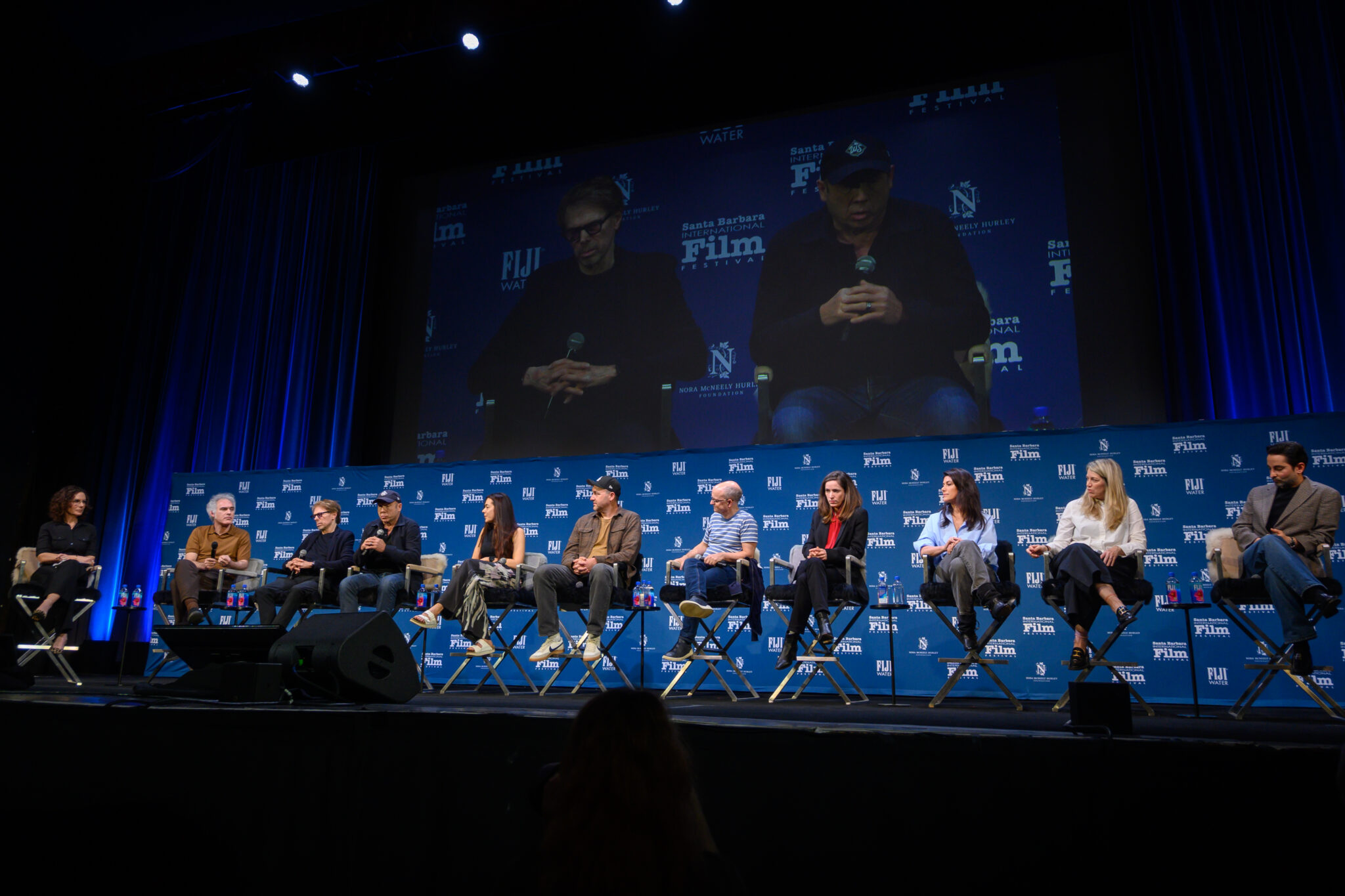
The Producers Panel brought together 10 Academy Award-nominated producers to discuss their Best Picture-nominated films. (Sherine John / Daily Nexus)
The 41st Santa Barbara International Film Festival’s annual Producers Panel brought together 10 Academy Award-nominated producers to discuss their Best Picture-nominated films.
The Feb. 8 event was moderated by New York Times reporter Nicole Sperling, and featured Ronald Bronstein (“Marty Supreme”), Jerry Bruckheimer (“F1”), J. Miles Dale (“Frankenstein”), Maria Ekerhovd (“Sentimental Value”), Nicolas Gonda (“Hamnet”), Ed Guiney (“Bugonia”), Emilie Lesclaux (“The Secret Agent”), Marissa McMahon (“Train Dreams”), Sara Murphy (“One Battle After Another”) and Sev Ohanian (“Sinners”).
Santa Barbara International Film Festival (SBIFF) Executive Director Roger Durling welcomed the packed Arlington Theatre crowd with a lighthearted “welcome to Super Bowl Sunday,” earning a laugh from the audience before they viewed a clip from each nominated film.
As they took the stage to applause, Sperling congratulated each panelist on their nominations before asking them to share anecdotes from when the production process felt anything but celebratory.
“Take us back to when things weren’t so hot,” Sperling joked.
Ohanian opened with a story from the set of “Sinners,” describing a “frenetic” all-hands-on-deck night shooting the film’s “Rocky Road to Dublin” sequence. With the sun beginning to rise (a critical problem for a vampire movie), the crew scrambled to capture the scene before daylight made it unusable.
“Let’s just pretend it’s not [impossible] until it is,” Ohanian recalled director Ryan Coogler telling him early in production.
“When you watch the film, if you know this is how we made it, I think you can feel it in the actors — that desperation and that euphoria,” Ohanian said. “We finished … and we all went and got empanadas.”
Murphy spoke about her colleague Adam Somner, who was diagnosed with cancer during the production of “One Battle After Another.”
When asked what he wanted to do, Murphy recalled, “he said, ‘Well, I want to make a movie.’ And so he stuck with the movie.”
Somner passed away before the film’s completion and received a posthumous Best Picture nomination, a reminder that grief does not pause for the making of a film.
McMahon recalled a jarring plane crash occurring on the very first day of filming “Train Dreams,” while Lesclaux spoke about the funding difficulties of getting “The Secret Agent” off the ground during the pandemic years in Brazil, describing a near-total collapse of public arts funding under the government of the time.
“We relied on public funding … We knew that it would be probably our most challenging, most ambitious project, and we couldn’t think of a way to make it,” Lesclaux said.
Guiney described cameras breaking down during long dialogue takes on “Bugonia,” while Gonda reflected on the challenge of translating “Hamnet” from the page to the screen.
Dale recounted the considerable safety preparations required to film “Frankenstein” on a frozen lake, only for a pickup truck to fall through the ice the morning of a shoot in the exact location where they had planned to film.
“We’ll mention it to Oscar [Isaac],” Dale deadpanned, “but we’ll mention it with a really positive spin. Maybe we won’t take the 50-foot techno[crane] out on the ice.”
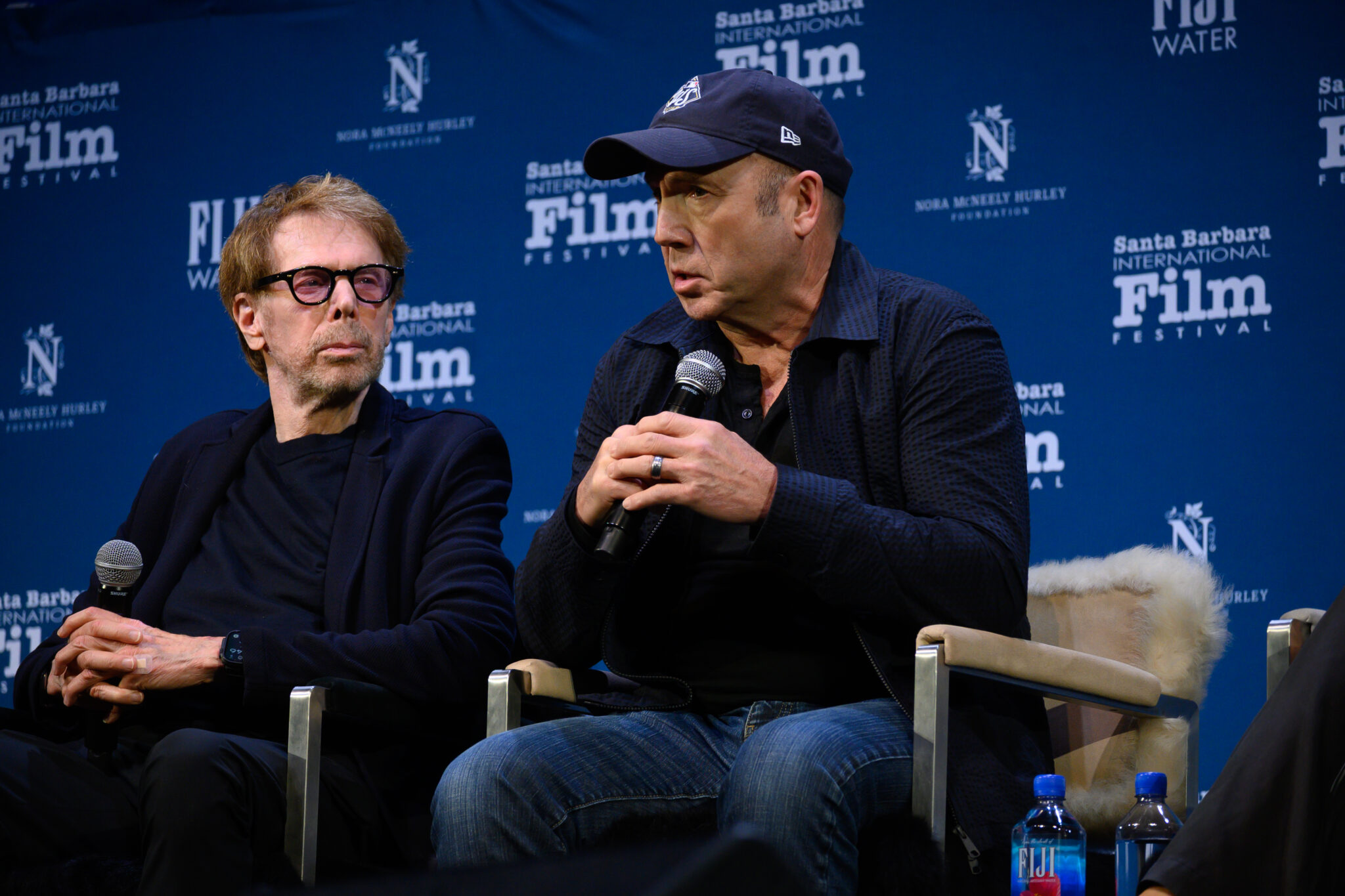
J. Miles Dale, producer of “Frankenstein.” (Sherine John / Daily Nexus)
Ekerhovd likened the process of making a film to childbirth, describing the selective memory that keeps producers going through difficult times.
“If you’re a woman and you had a child, you don’t remember how hard it was when you had your beautiful baby,” she reflected.
Bruckheimer spoke about the year-and-a-half effort to secure approval from Formula 1, its 10 teams and 20 drivers for “F1”: only for the SAG-AFTRA media professionals labor union strike to shut production down just four days into filming.
Perhaps the panel’s most comical story came from Bronstein, who described sourcing a sea lion from Texas to play ping pong against Timothée Chalamet’s character in “Marty Supreme.” After months of training, the animal completed one take on the shoot before climbing back onto its pedestal and going to sleep.
That single take turned out to be the only usable footage they had. Bronstein recalled approaching the trainer in a panic.
“It’s those things that are right on the edge of the grasp of my control — somebody owes me money, and I’ve already sent three emails and they’re starting to be annoying,” he stressed.
According to the trainer, the sea lion wasn’t asleep, but rather pretending. The audience broke into laughter.
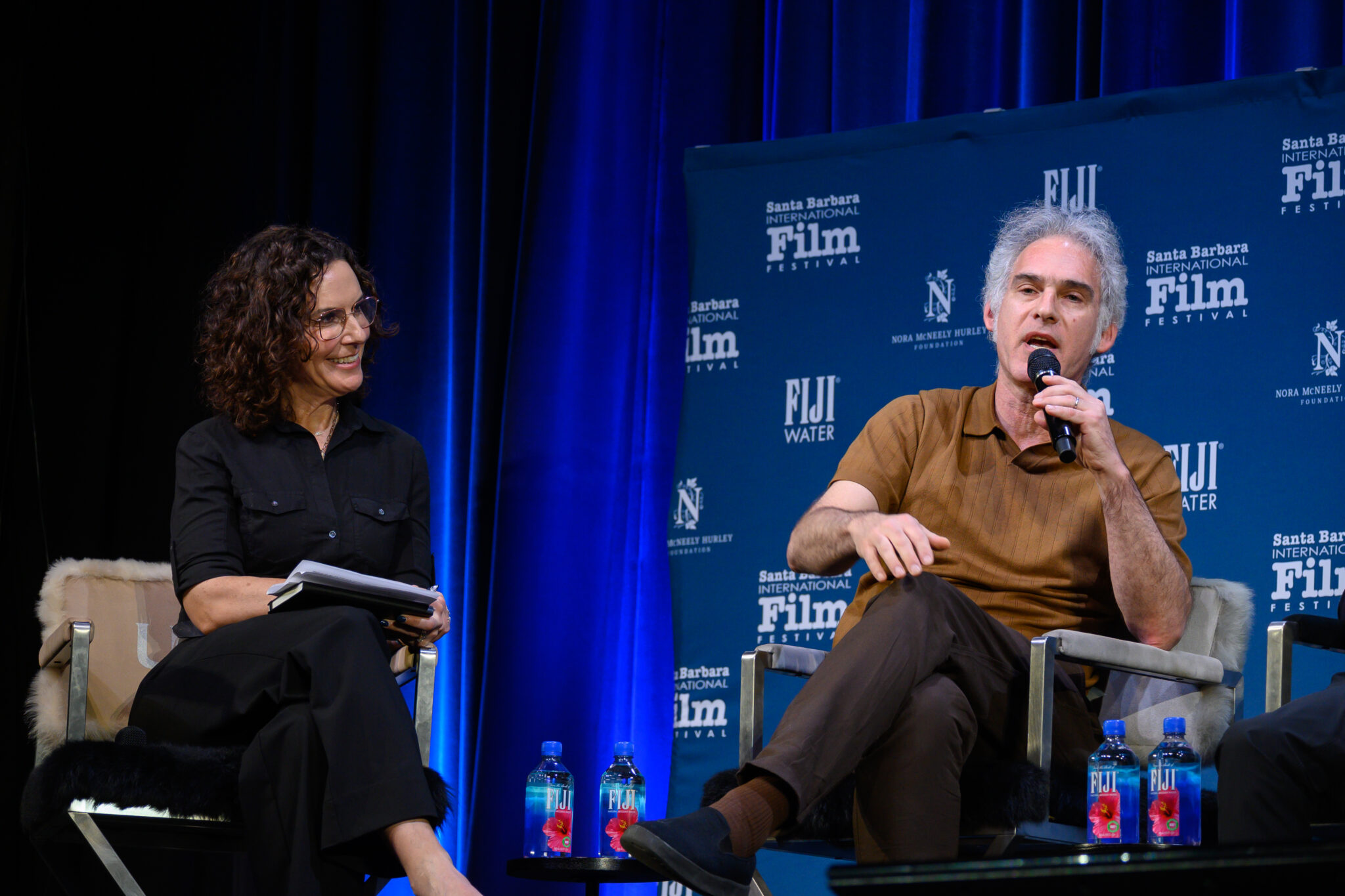
Moderator Nicole Sperling listening to Ronald Bronstein talk about his work on “Marty Supreme.” (Sherine John / Daily Nexus)
Sperling shifted the conversation toward the current state of the film business, raising the news of Warner Bros. Discovery’s potential acquisition by Netflix.
“How seismic of a move is that for the entertainment business, and what is that going to look like afterwards?” she asked.
Bruckheimer was quick to respond, placing the responsibility squarely on himself and his fellow panelists.
“It’s up to us at this panel to make movies that you want to see in the theater,” he said, and on whether the theatrical experience would survive: “It has to.”
Ekerhovd offered a hopeful data point, noting that when “Sentimental Value” was released in Norway, 14- to 20-year-olds were coming to cinemas “in masses,” indicating that younger audiences haven’t abandoned the big screen.
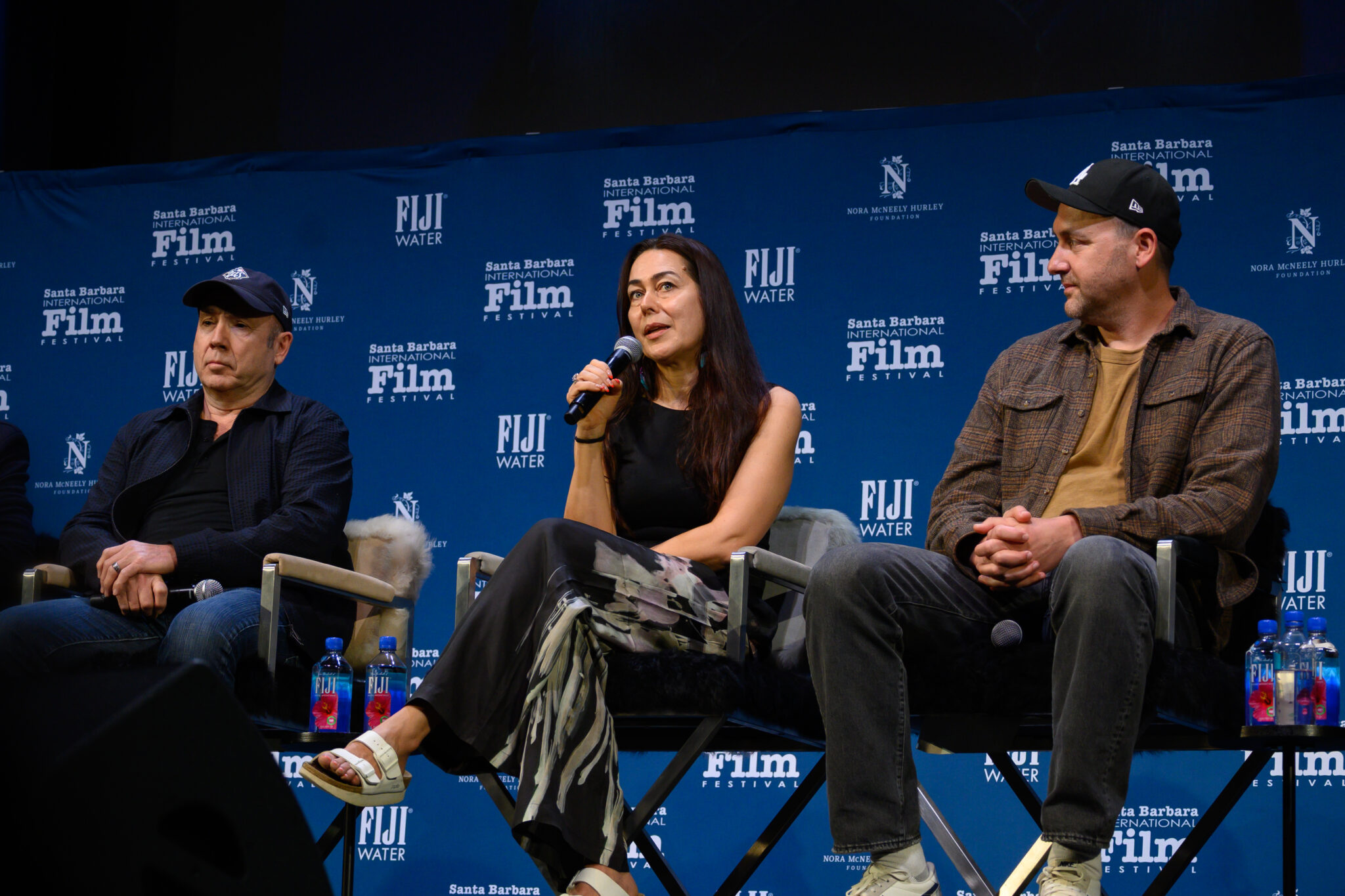
“Sentimental Value” producer Maria Ekerhovd talking about the film. (Sherine John / Daily Nexus)
The panel closed with a question about artificial intelligence and its role in the future of filmmaking.
McMahon described using AI to experiment with the voice of the narrator of “Train Dreams,” a process that helped the team identify what they were looking for before casting. She described it as valuable and cost-conscious, particularly for “small indie films.”
Gonda drew a distinction between the priorities of the tech world and those of storytellers.
“I think there’s been, for a long time, a difference in the storytelling community and the tech community,” he said.
Where technologists seek to “remove what they call friction from the process … and in some areas of our life that is extremely additive,” he argued that filmmaking is different.
“Sometimes in that friction, in that struggle, something truly original emerges — and that will never be replaced by AI,” he said, to audience applause.
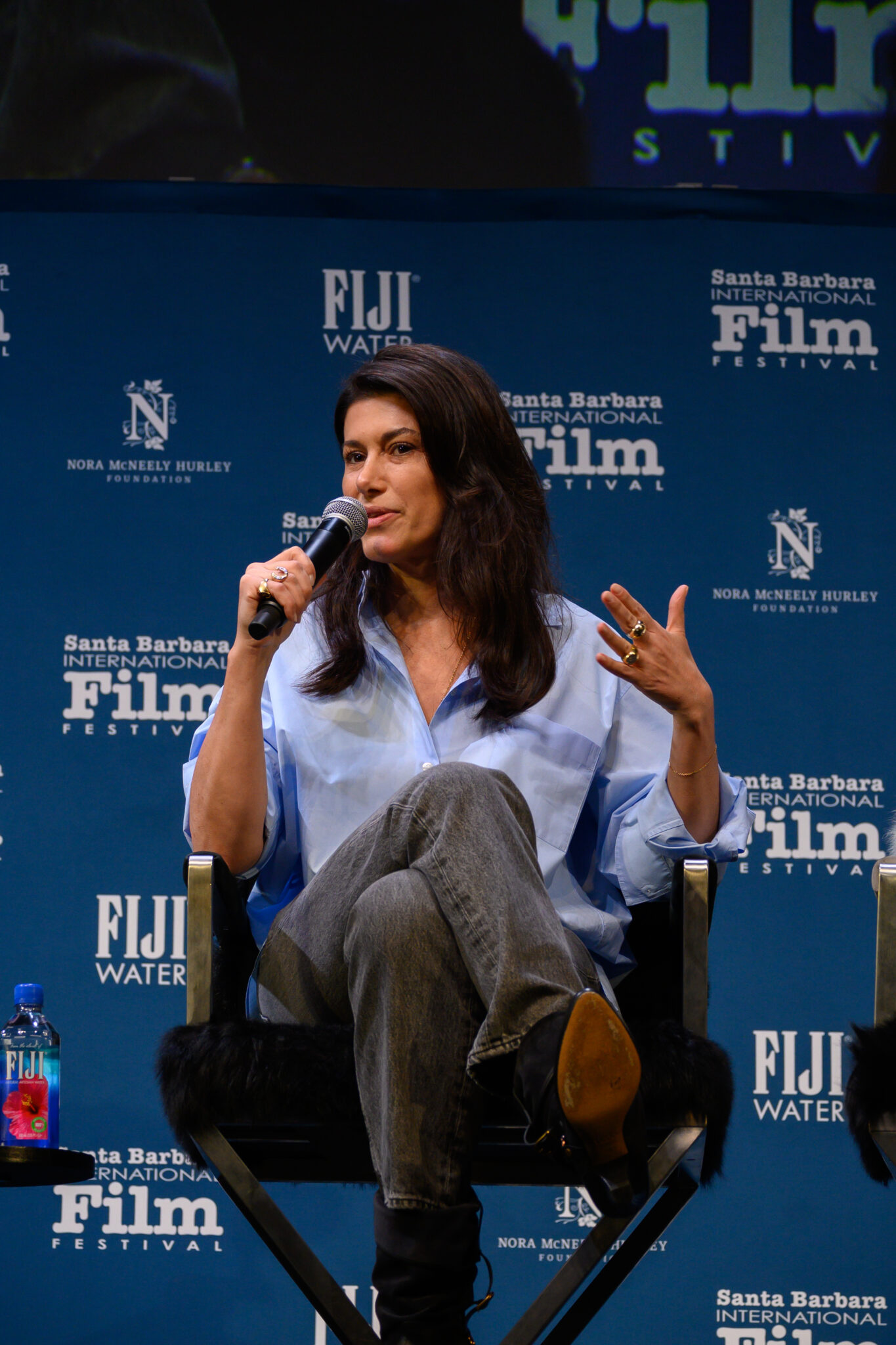
Marissa McMahon discussing the use of AI in films. (Sherine John / Daily Nexus)
It was a sentiment that echoed an earlier remark by Bronstein: that making a movie is ultimately about “documenting the soul of a performer”; that every human being carries a “unique set of psychic fingerprints.” It was a fitting note to end on in a city buzzing with love for film, with a roomful of producers insisting on the irreducible humanity of what they do.