Courtesy of Universal Pictures
Released to theaters on Nov. 21, “Wicked: For Good,” the second part to the movie adaptation of the Broadway musical “Wicked,” made waves in the box office not only for musical fanatics but also for the general public.
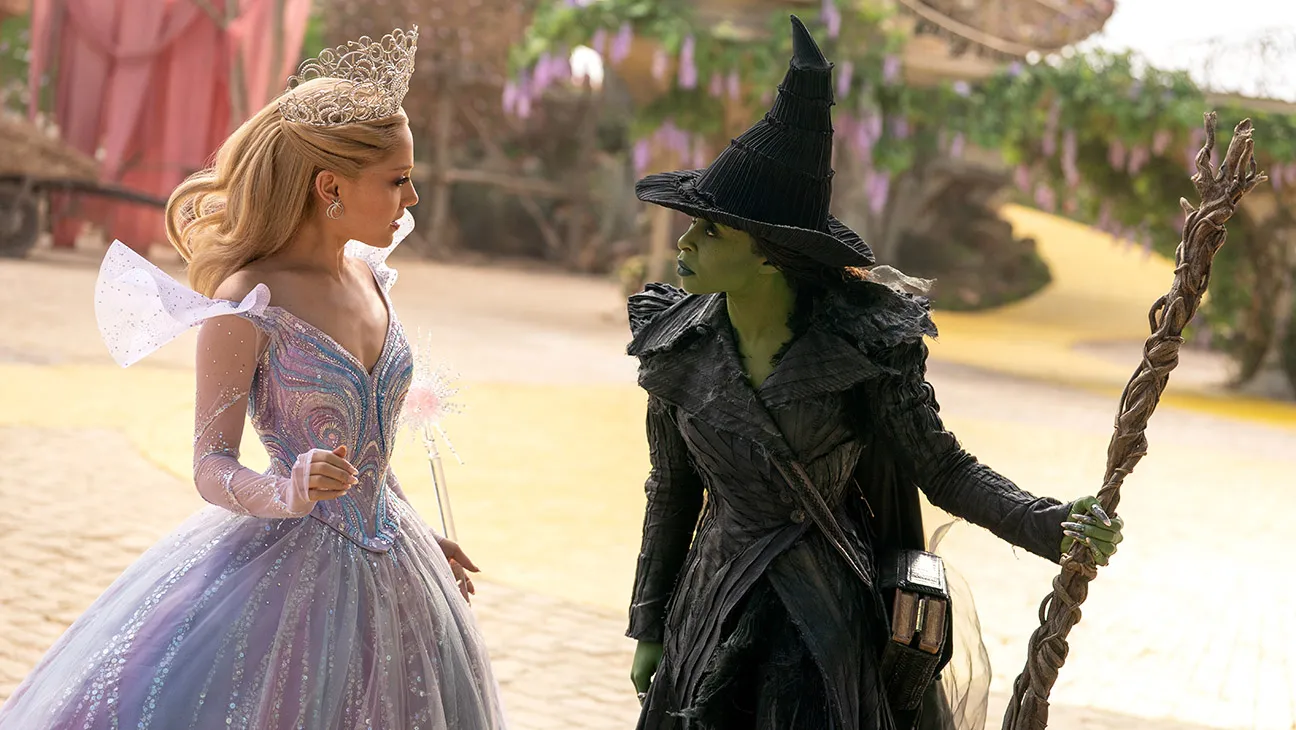
“Wicked: For Good” is set a few years after the first movie, exploring how main characters Elphaba and Glinda are forced into the roles of the Wicked Witch and the Good Witch, respectively. It highlights the sacrifices that are made whether one chooses to fight back or stand idly in the face of corruption.
It is no surprise that “Wicked: For Good” has managed to capture the hearts of musical and mainstream audiences alike; it is an excellent depiction of grief, politics, love and how goodness reveals itself through one’s character rather than one’s exterior.
However, “Wicked: For Good” would not have made the impact it has made without the outstanding performances of the cast, particularly Ariana Grande and Cynthia Erivo. Grande portrays the complexity of Glinda’s character as she struggles to choose between standing by the Wizard to advance her own status or standing by Elphaba, her close friend, to end the Wizard’s corruption, potentially costing her power in Oz.
Erivo delivers an emotionally captivating and vocally impressive performance as Elphaba. She captures Elphaba’s vulnerability with those she loves, her bravery in standing up to the most revered figure in Oz and the true goodness she possesses as she helps the animals. Grande and Erivo stay true to the main motivations of the characters written for the original Broadway version while also giving their own twists that make Glinda and Elphaba interesting in the movie.
The most notable deviation from the source material, however, is the introduction of two new songs composed by Stephen Schwartz. “The Girl in the Bubble” is sung by Glinda as she comes to terms with the fact that everything she has — influence, power and her reputation as the Good Witch — is built on lies, and that she must face the reality of the situation: No matter how much she may have to sacrifice, the Wizard must be stopped.
With the title being a callback to the famous catchphrase of the original “The Wizard of Oz” movie, the second new track, “No Place Like Home,” is Elphaba’s call to the animals to join her cause and fight against the oppression imposed upon them by the Wizard. She begs the animals not to leave Oz, as leaving is exactly what he wants them to do; to give up.
Within the current political climate, the message of “No Place Like Home” is extremely relevant to our reality. Lyrics such as “When you want to leave / Discouraged and resigned / That’s what they want you to do” and “It’s them we’ll be defeating / If we keep on repeating / ‘There’s no place like home’” reflect the struggles of minority groups in our world. Despite being beaten down time and time again, despite the many obstacles placed in their way, these groups keep on fighting because giving up means that their oppressors win.
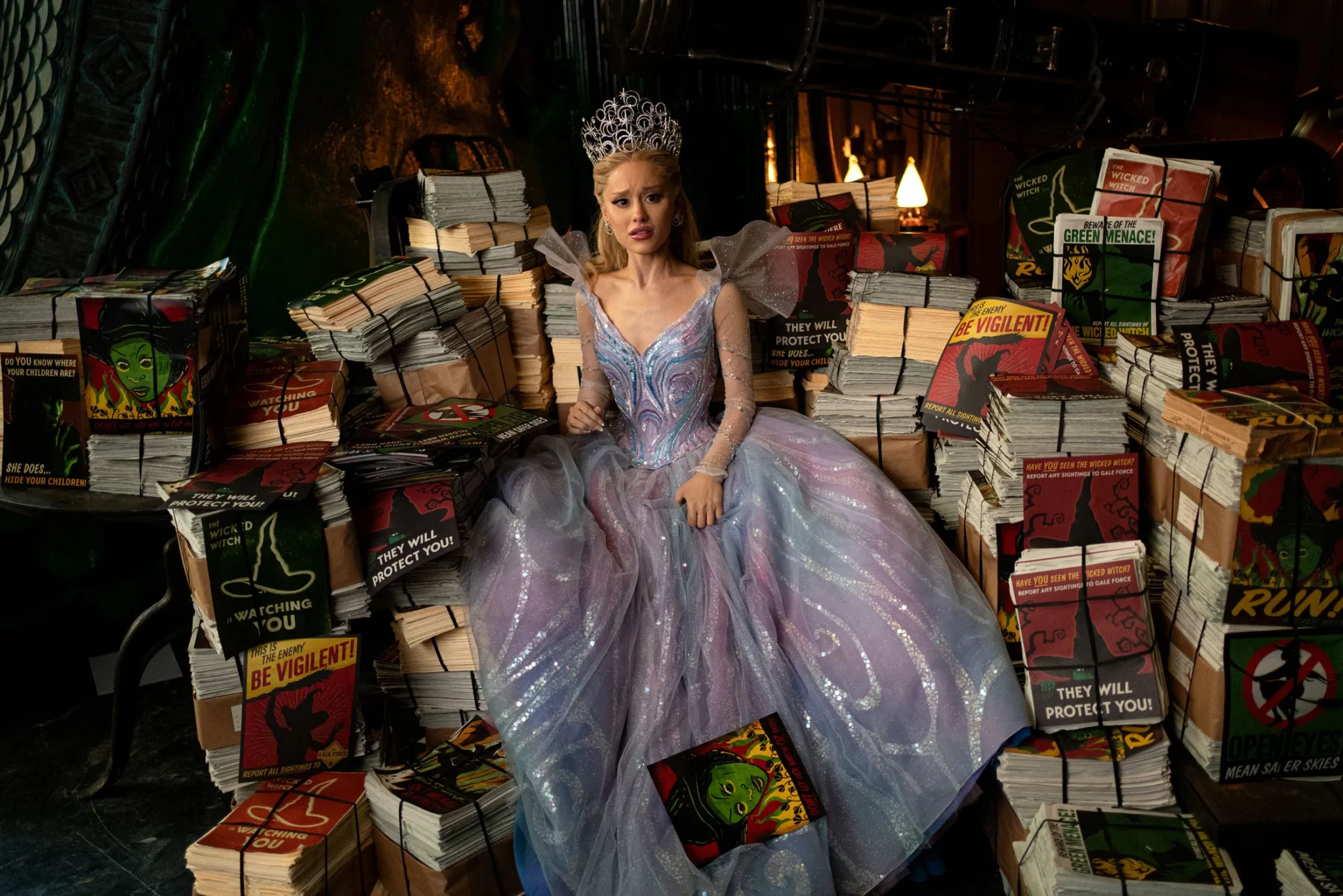
The movie does not shy away from commenting on the political state of the world, as “No Place Like Home” is not the only nod to contemporary politics. The opening number, “Every Day More Wicked,” displays how easily propaganda against Elphaba spreads throughout Oz. It reflects how impressionable society is and how our biases against those who are different from us are used to paint certain people as wicked even when they’re not.
Courtesy of Universal Pictures
One of the most impactful parts of “Wicked: For Good” is the finale sequence. The final song, “For Good,” sung by Glinda and Elphaba, induces tears as the two friends give their final goodbyes to each other.
Elphaba passes the torch of liberating the animals to Glinda, who readily takes it. “For Good” is the culmination of Elphaba and Glinda’s relationship: knowing each other has permanently changed both of them for the better. Glinda has learned from Elphaba what it means to be truly good; it’s not about being perceived as good, rather it’s about helping those in need and fighting for the people you love.
Although Glinda did not always support Elphaba’s pursuits, she gave Elphaba something she always wanted: true companionship and acceptance. No matter how much they were pitted against each other, they both chose to protect each other every time. And now, with Elphaba gone, Glinda has chosen to protect and continue her mission to end the corruption in Oz and restore equality between animals and humans.
Although “Wicked: For Good” does a lot of things right, there are also some aspects that miss the mark. Michelle Yeoh has been on the receiving end of criticism for her performance as Madame Morrible, as many viewers and critics have commented on her underwhelming vocal performance compared to her co-stars.
Additionally, while the two new songs “The Girl in the Bubble” and “No Place Like Home” give meaningful character development and have powerful messages, they seem out of place when added to the whole soundtrack, likely because they were written over 20 years after the originals. Lyrically, these songs work well in the musical because they give the audience more information about Glinda and Elphaba by expanding on their motivations and internal struggles. Sonically, however, there is a very clear divide between the new songs and the original songs, as these new songs seem to be molded for Grande and Erivo rather than the “Wicked” franchise itself.
Despite these flaws, “Wicked: For Good” captures the magic and wonder of a musical. Director Jon Chu craftily transitions even the most dialogue-heavy scenes into its corresponding musical number without it sounding forced. The heightened emotions are captured throughout the music, not just in the vocals but also in the score. Among the solemn and tense moments, there are moments of witty jokes and heartfelt connections between the characters, especially Glinda and Elphaba. The movie perfectly portrays their special bond; despite being on opposite sides, despite there being worlds of separation between them, Glinda and Elphaba will always be intertwined “like a handprint on [each other’s] heart.”
Ending on a bittersweet yet hopeful note, “Wicked: For Good” gives its audience one final question when leaving the theater: What makes us good?
Is it merely our reputation? Is it our determination to stand up for what’s right? Our loyalty to those we love? Or, ultimately, is it our ability to learn from our past mistakes and change for good?
Rating: 8/10